
Maha Shivaratri: The Night Vigil and What to Eat After the Fast
Maha Shivaratri falls in Phalguna, usually in February or March. For many families in Andhra it is the most serious fast of the year, followed by a night spent awake in prayer.
The day and the night
Devotees bathe early, visit a Shiva temple and offer water, milk and bilva leaves to the lingam. Many fast through the day. At night comes jagaram, staying awake until morning with bhajans, stories and visits to the temple. The Godavari region has famous Shiva temples, and they are full through the night.
Eating on the fast
Families differ. Some take nothing; some take fruit, milk, or a little sabudana or sweet potato. Many avoid rice and grains completely for the day.
Breaking the fast
The fast is broken the next morning after puja. After a long fast, the first meal is usually gentle: something light, followed by a sweet offered first as prasadam.
Sweets for Shivaratri
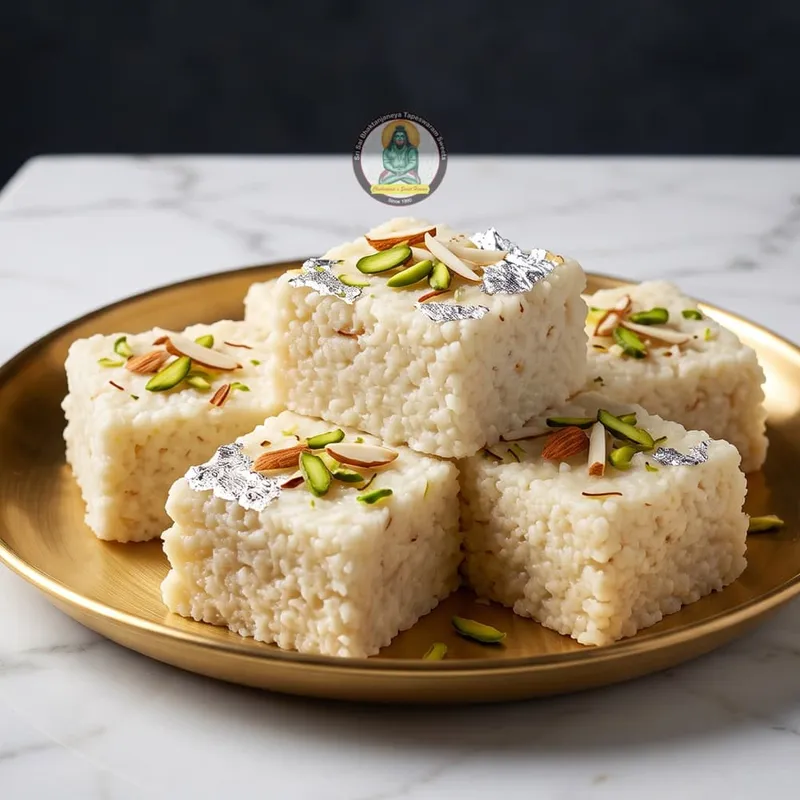
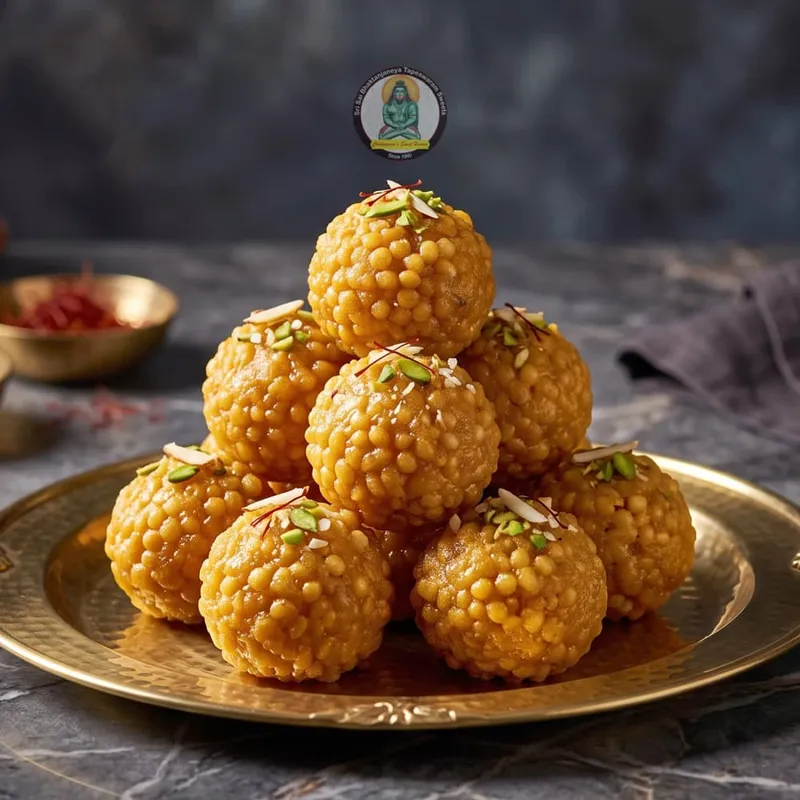
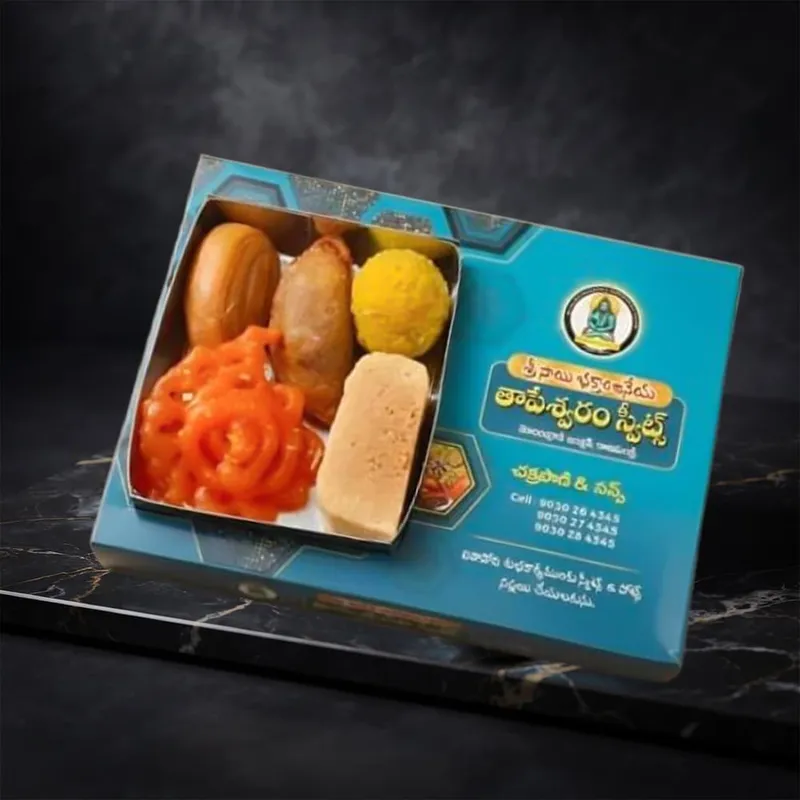
Milk sweets are the natural choice, both for the offering and for the morning after. Kalakand and Konaseema kova are soft and easy after a fast, and boondi laddu is easy to share with neighbours and temple visitors. If you are taking prasadam to the temple, a sealed sweet box travels better than loose sweets.
As with any fast, follow your own family's rules on what is allowed; check the ingredients if you are unsure.
Shop this article
Keep reading

Karthika Pournami: Deepams on the Godavari and What to Offer
The full-moon night of Karthika Masam lights up the Godavari ghats with lamps. What families do on Karthika Pournami, and the sweets that suit the day.
Dussehra Sweet Boxes: What to Send Family, Staff and Clients
Vijayadashami is one of the biggest gifting days in Andhra. How to plan sweet boxes for relatives, Ayudha Puja at work, and a team of any size.