What Makes Tapeswaram Kaja Different From Every Other Kaja
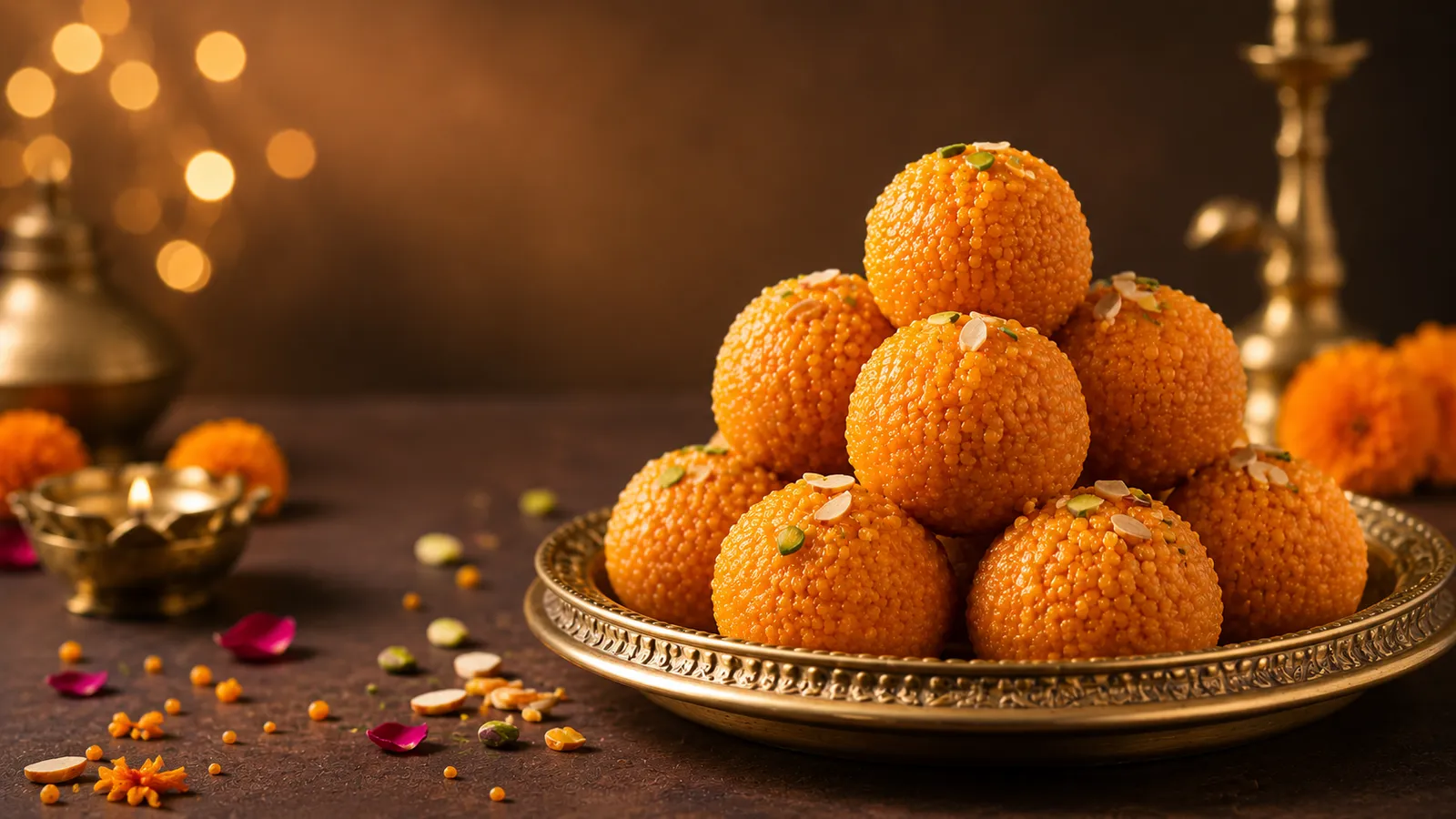
Ask anyone in Andhra Pradesh to name one sweet from the Godavari districts and they will say Kaja. But Kaja is a family of sweets, not a single recipe, and the Tapeswaram version is a specific thing made a specific way.
The dough is laminated. Layers of maida are folded with ghee again and again until a single piece holds dozens of paper-thin sheets. When it hits the hot ghee those layers separate and puff, which is why a proper Tapeswaram Kaja shatters when you bite it instead of squashing.
The second difference is the syrup. A thin, single-thread sugar syrup soaks into the layers without collapsing them. Too thick and the Kaja turns sticky and heavy. Too thin and it goes soggy within a day. That window is narrow, and it is where experience shows.
Madatha Kaja is the folded variety, dense and generously soaked. Gottam Kaja is the hollow tube shape that stays crisper for longer and travels better. Both are authentic; they simply suit different occasions.
The third difference is ghee. Kaja fried in vanaspati or refined oil will look identical in a photograph and taste flat in the mouth. Pure cow ghee is expensive and it is the entire flavour of the sweet, which is why we have never substituted it.
If you are buying Tapeswaram Kaja online, look for three things: visible layers at the cut edge, a dry rather than oily surface, and a clear statement of what fat it was fried in. Anything vague on that last point usually means vanaspati.
Keep reading
Tea-Time Namkeen Combos: What to Pair With Your Evening Chai
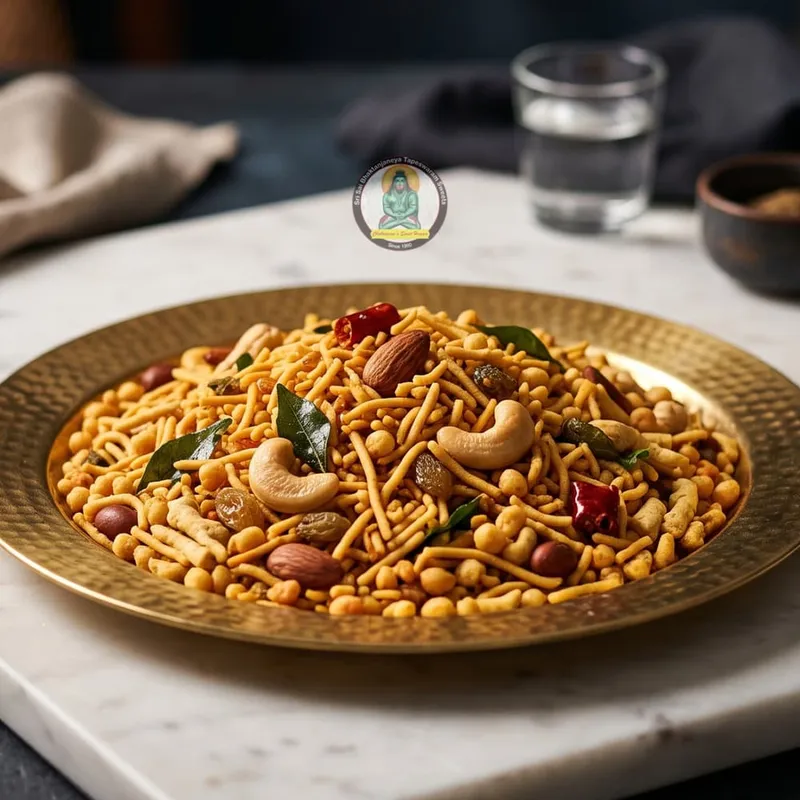
Three simple namkeen combinations for the 5 pm cup of tea, from mild and crunchy to properly spicy.

Madugula Halwa and Konaseema Kova: Two Town Sweets Worth Knowing
Two lesser-known Andhra sweets, one dark and glossy, one milky and soft, and why they deserve a place on your plate.