
Pure Ghee vs Vanaspati: Why It Changes Everything in a Sweet
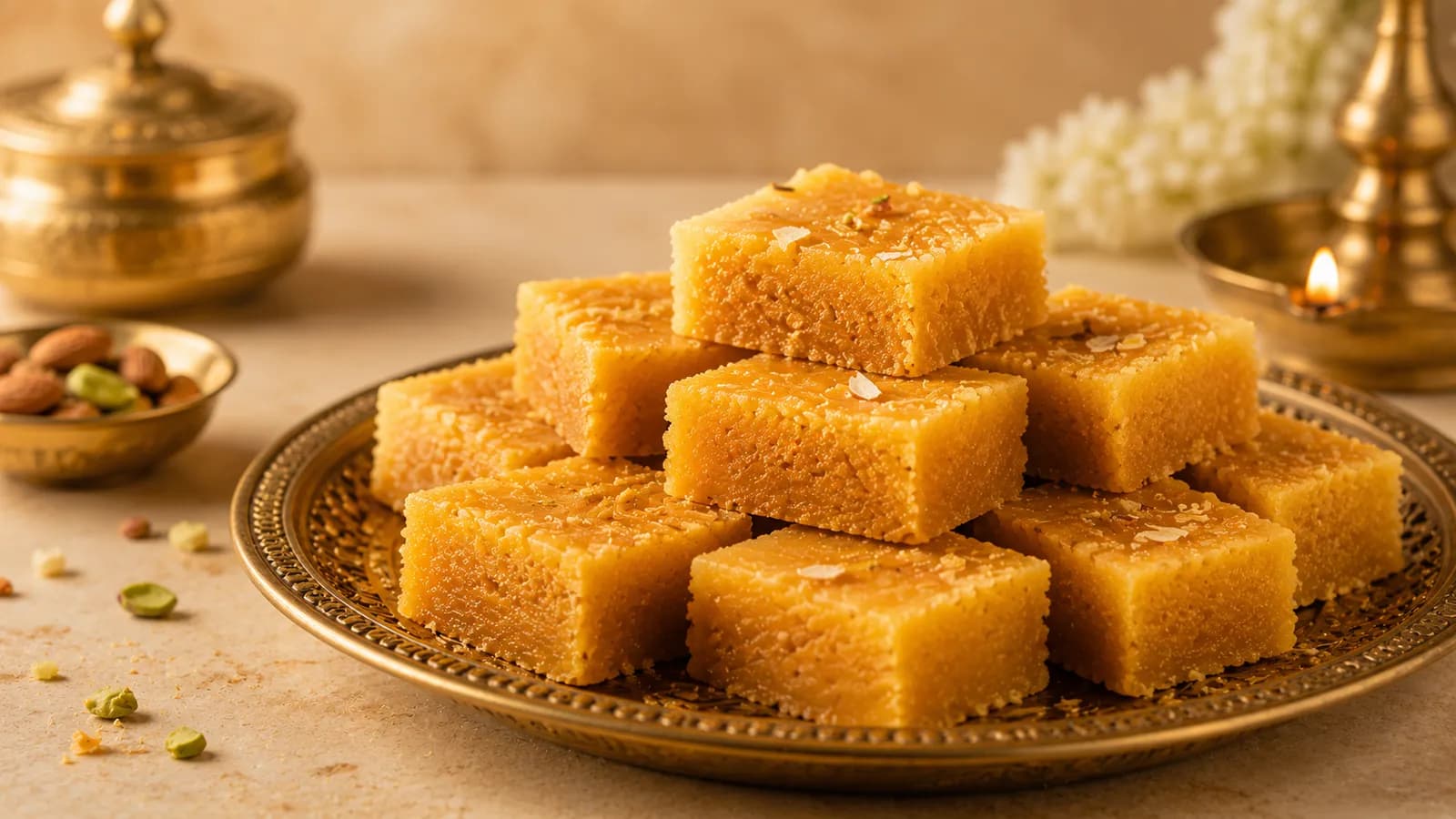
Ghee is the single largest cost in most traditional sweets, which makes it the first thing a shop cuts when it wants to compete on price. The substitute is usually vanaspati, a hydrogenated vegetable fat engineered to behave like ghee.
It does behave like ghee, mechanically. It fries at similar temperatures and gives a similar initial crispness. What it does not do is taste like ghee, because the flavour of ghee comes from the browned milk solids created when butter is clarified. Vanaspati has no milk in it at all.
The difference shows up most in the finish. A sweet made with pure cow ghee has a nutty aroma that stays after you swallow. One made with vanaspati coats the palate and leaves a waxy film.
There is a texture tell too. Ghee-fried sweets soften gradually over days. Vanaspati holds its structure longer, which is precisely why it is used, but it also means a stale sweet can still look fresh.
A simple test at home: leave a piece at room temperature for an hour. Pure ghee will bloom slightly and smell richer. Vanaspati smells of very little.
Nutritionally the argument is settled. Vanaspati has historically been a source of trans fats, and while regulations have tightened, ghee in moderation remains the traditional and better-understood choice.
We use pure cow ghee across our sweets range. It is more expensive, our margins are thinner for it, and it is not a decision we plan to revisit.
Keep reading
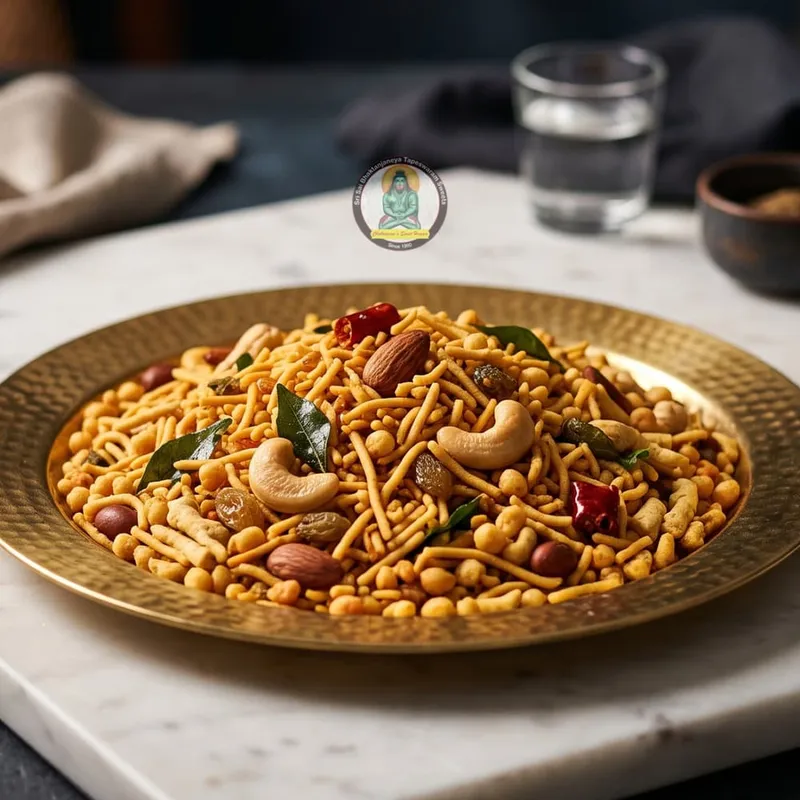
Tea-Time Namkeen Combos: What to Pair With Your Evening Chai
Three simple namkeen combinations for the 5 pm cup of tea, from mild and crunchy to properly spicy.

Madugula Halwa and Konaseema Kova: Two Town Sweets Worth Knowing
Two lesser-known Andhra sweets, one dark and glossy, one milky and soft, and why they deserve a place on your plate.