
Ordering Sweets Online in India: What Actually Survives the Journey
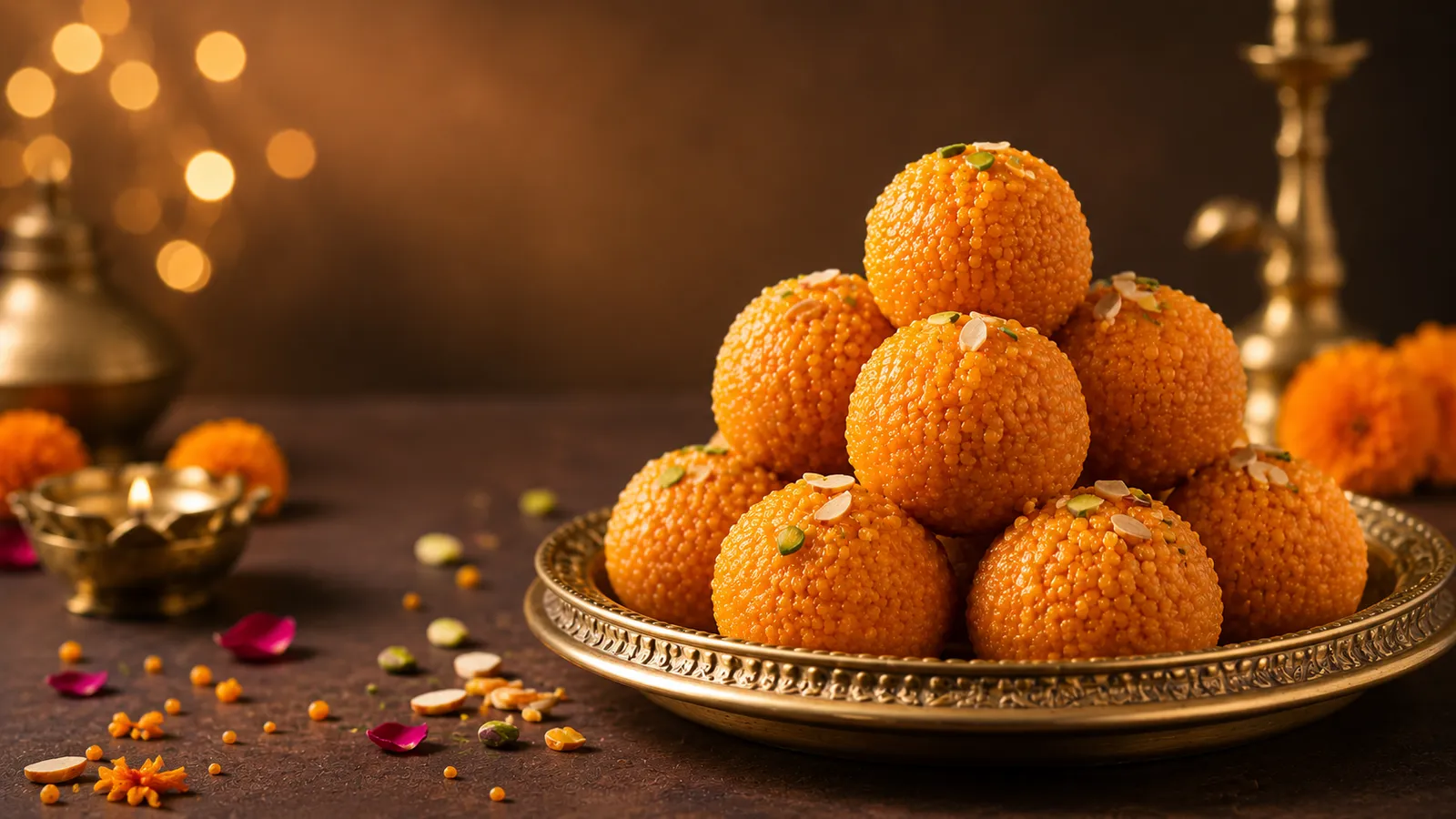
Online sweet ordering has one real constraint that shops rarely discuss: some sweets are simply not built for a three-day journey in a warm truck.
The reliable travellers are dry, ghee-based and structurally solid. Tapeswaram Kaja, Gottam Kaja, Kobbari Louz, dry fruit sweets and all namkeen fall here. They arrive as they left.
The risky ones are milk-based. Fresh Kova, Rasagulla and anything with soft khoya are excellent for two days and questionable after four. A shop that offers to courier them across the country in peak summer is being optimistic on your behalf.
Packing matters more than most buyers realise. Sweets should be packed tight enough that they cannot move, with rigid separation between layers. Loose packing is what causes Putharekulu to arrive as fragments.
When the box arrives, open it on video if you can, especially for a large or gifted order. Every serious shop, including us, asks for this because it is the only way a damage claim can be settled fairly and quickly.
Check the surface first. Sweets should look dry rather than oily. Oil seeping through the inner box usually means either poor frying or a long time in transit heat.
Order timing helps. Avoid dispatch on a Friday if your courier does not run Sundays, and avoid ordering perishable milk sweets during a festival week when networks are congested.
Keep reading
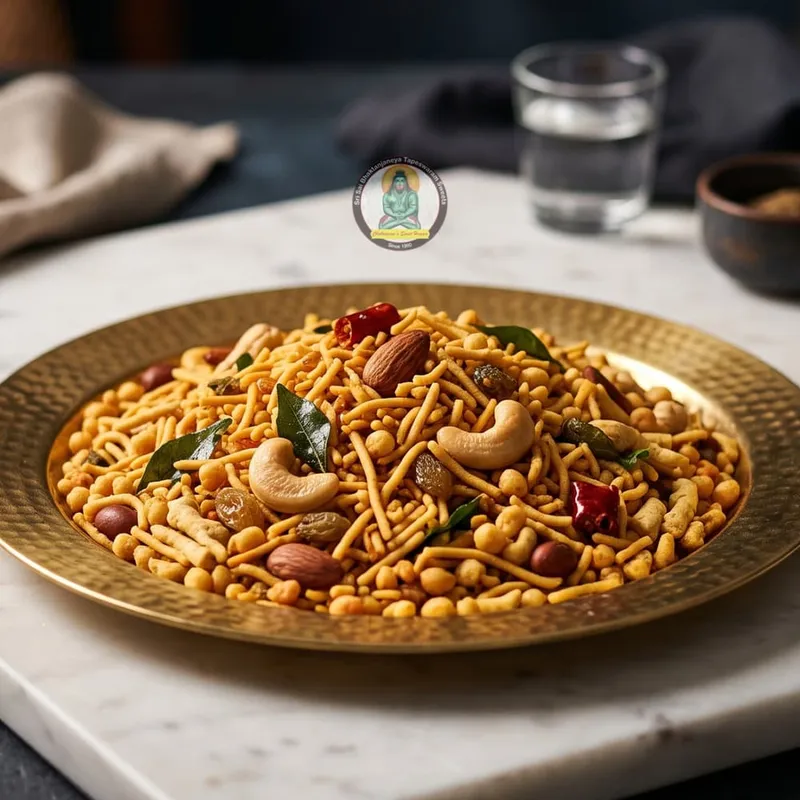
Tea-Time Namkeen Combos: What to Pair With Your Evening Chai
Three simple namkeen combinations for the 5 pm cup of tea, from mild and crunchy to properly spicy.

Madugula Halwa and Konaseema Kova: Two Town Sweets Worth Knowing
Two lesser-known Andhra sweets, one dark and glossy, one milky and soft, and why they deserve a place on your plate.