Naraka Chaturdasi in Andhra: The Morning Before Diwali
In much of India, Diwali means the night of Amavasya. In Telugu homes the festival starts a day earlier, on Naraka Chaturdasi, and for many families that morning is the most important part of the whole celebration.
The Telugu telling of the story gives the victory over Narakasura to Satyabhama, Krishna's wife, who rode into battle beside him. It is one of the reasons the day is celebrated with such energy in Andhra, and why Satyabhama is still the heroine of the festival in songs and stage plays.
The day begins before sunrise with an oil bath. Elders apply oil to the children, everyone bathes early, and new clothes go on before the first lamp is lit. Crackers often start that same morning rather than waiting for the evening.
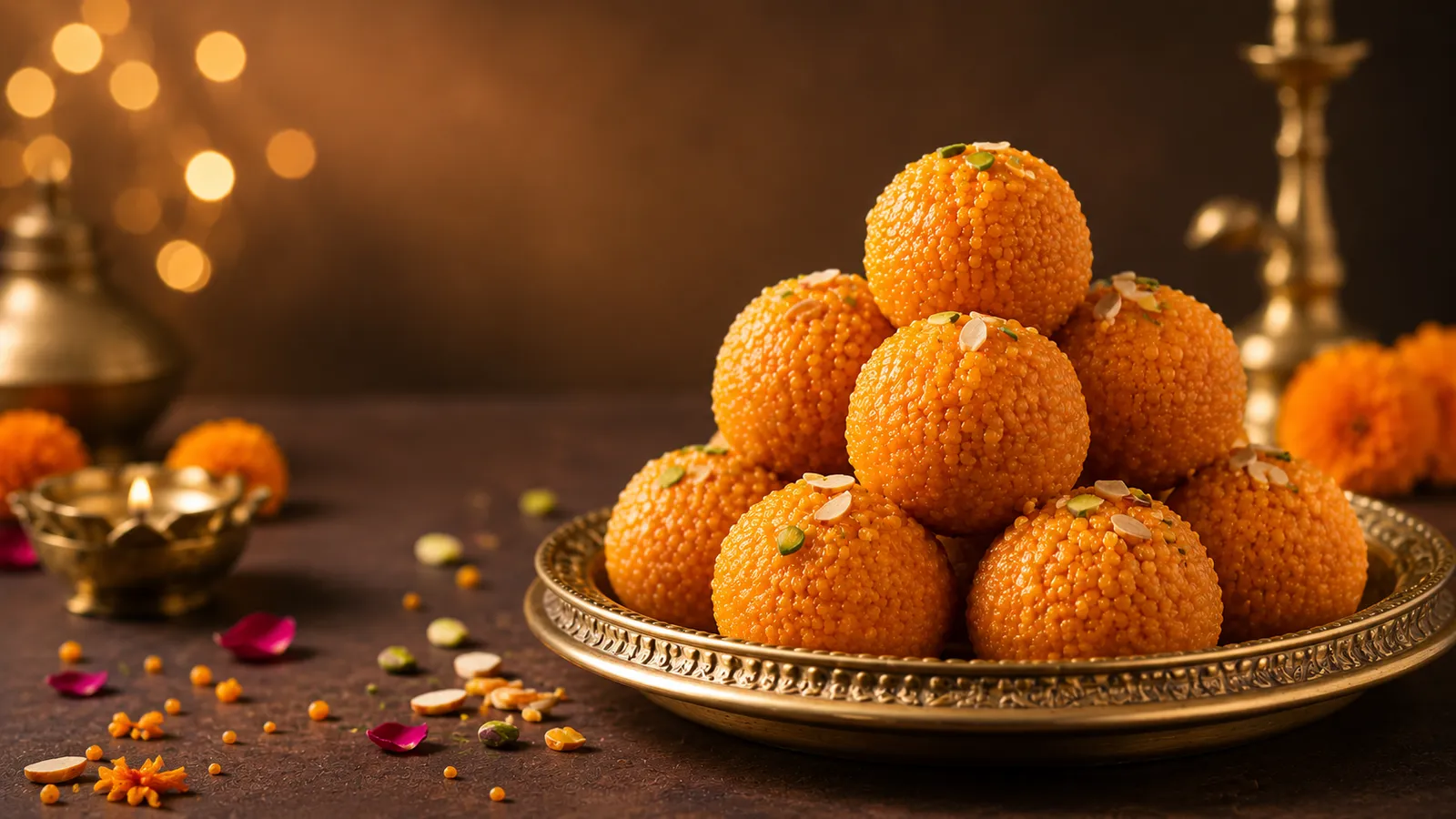
Sweets come straight after the bath and the puja. It is a morning for something rich and festive rather than a full meal: Laddu, Kaja, Mysorepak, or whatever the family has bought or made for the two days, alongside the first savouries from the Diwali tin.
In the evening of Diwali itself, children in many Andhra villages light jute stalks and tap them on the ground while chanting the old rhyme that begins 'Dibbu dibbu deepavali', which looks ahead to Nagula Chavithi, the next festival in the calendar.
If you are ordering for the festival, plan for both days. A box that arrives the evening before Naraka Chaturdasi covers the morning sweets, the Diwali night offering and the visitors who come over the following days.
Keep reading
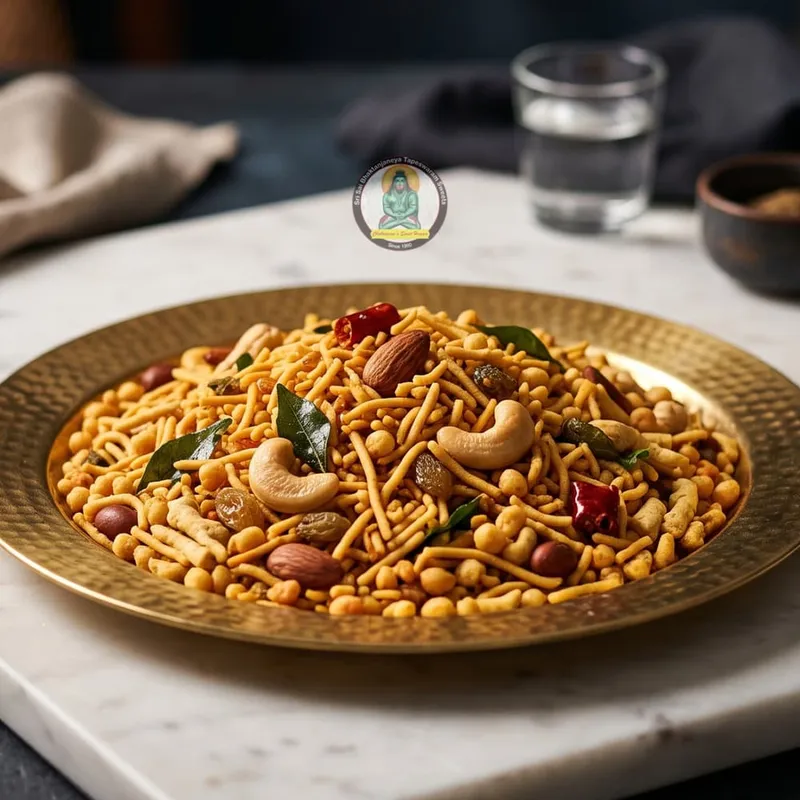
Tea-Time Namkeen Combos: What to Pair With Your Evening Chai
Three simple namkeen combinations for the 5 pm cup of tea, from mild and crunchy to properly spicy.

Madugula Halwa and Konaseema Kova: Two Town Sweets Worth Knowing
Two lesser-known Andhra sweets, one dark and glossy, one milky and soft, and why they deserve a place on your plate.