
Kaju Katli, Mysorepak and Sonpapdi: The Diwali Box Classics Explained
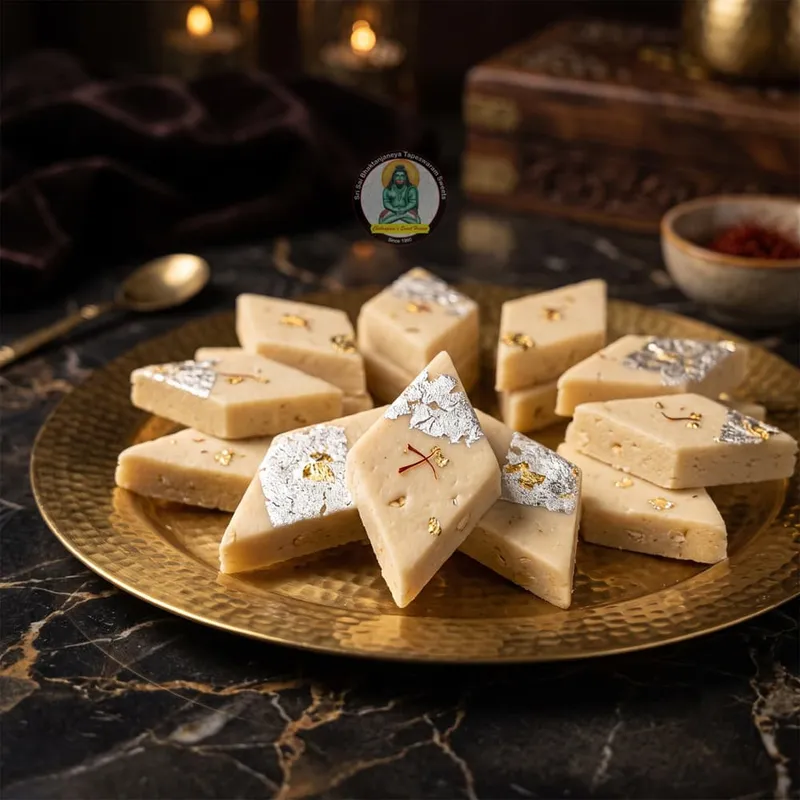
Open almost any Diwali gift box in India and three sweets keep appearing: Kaju Katli, Mysorepak and Sonpapdi. They are popular for the same reason: all three are dry, hold their shape and keep well enough to be passed from house to house through the festival week.
Kaju Katli, or Kaju Burfi, is ground cashew cooked with sugar syrup into a smooth dough, rolled thin and cut into diamonds. A good one is pale, soft and tastes clearly of cashew. If it is chalky, very white or overly sweet, it has usually been stretched with milk powder or cheaper fillers. It keeps for about a week or so in a sealed box.
Mysorepak is besan, sugar and a generous amount of ghee. There are two styles: the older, firmer kind with a porous, honeycomb inside, and the softer, ghee-rich kind that melts almost immediately. Both are authentic. What matters is that it smells of ghee, not oil, and does not taste of raw gram flour.
Sonpapdi is the most technical of the three. A besan and flour mixture is worked into a caramelised sugar mass and pulled again and again until it forms fine threads, then pressed into flaky cubes. It is light, crumbly and very shelf-stable, which is why it is the sweet everyone jokes about being passed on to the next house.
For a balanced box, combine one of each with something local. A piece of Kaja or Putharekulu next to the three classics makes a box from Andhra feel different from the ones every other shop is sending.
Keep all three in a cool, dry place away from strong-smelling food. Refrigeration is not needed and tends to make Mysorepak hard and Kaju Katli sweat once it comes back to room temperature.
Keep reading
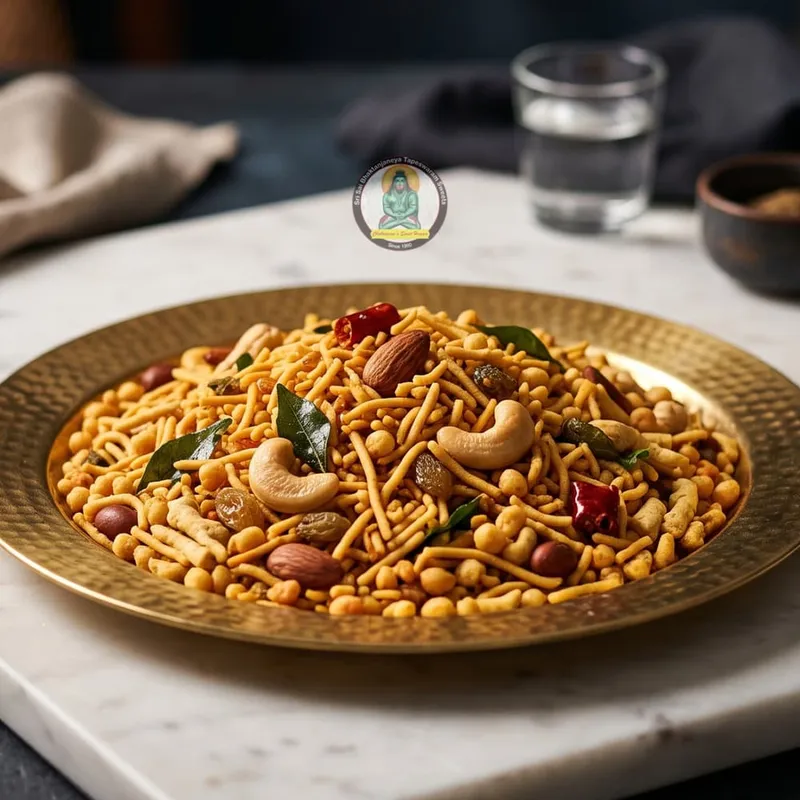
Tea-Time Namkeen Combos: What to Pair With Your Evening Chai
Three simple namkeen combinations for the 5 pm cup of tea, from mild and crunchy to properly spicy.

Madugula Halwa and Konaseema Kova: Two Town Sweets Worth Knowing
Two lesser-known Andhra sweets, one dark and glossy, one milky and soft, and why they deserve a place on your plate.