
Dry Fruit Sweets: When They Are Worth the Price

Dry fruit sweets sit at the top of every Indian sweet shop's price list, and the gap is large enough that it deserves an honest explanation.
The cost is almost entirely ingredient cost. Cashew, almond, pistachio and dates are expensive, and in a properly made dry fruit sweet they are the bulk of the mass rather than a garnish scattered on top.
That is the first thing to check. If the nuts are visible only on the surface, you are paying a premium for decoration. In a genuine Dry Fruit Laddu or Dry Fruit Putharekulu, the nuts run all the way through and you can see them at a broken edge.
The second thing is sugar. Better dry fruit sweets use dates and the natural sweetness of the nuts to carry most of the load, with jaggery or minimal sugar behind. A dry fruit sweet that tastes primarily of sugar is not using enough dry fruit.
Where they are genuinely worth it: gifting to someone whose taste you do not know, households where people are cutting down on refined sugar, and Diwali boxes where one premium item lifts the whole selection.
Where they are not: large functions where the nuance is lost, and for children, who almost universally prefer a plain laddu.
Kajju Burfi, Dry Fruit Halwa and Bellam Sunnundalu with dry fruit mix are the three we would point a first-time buyer towards.
Keep reading
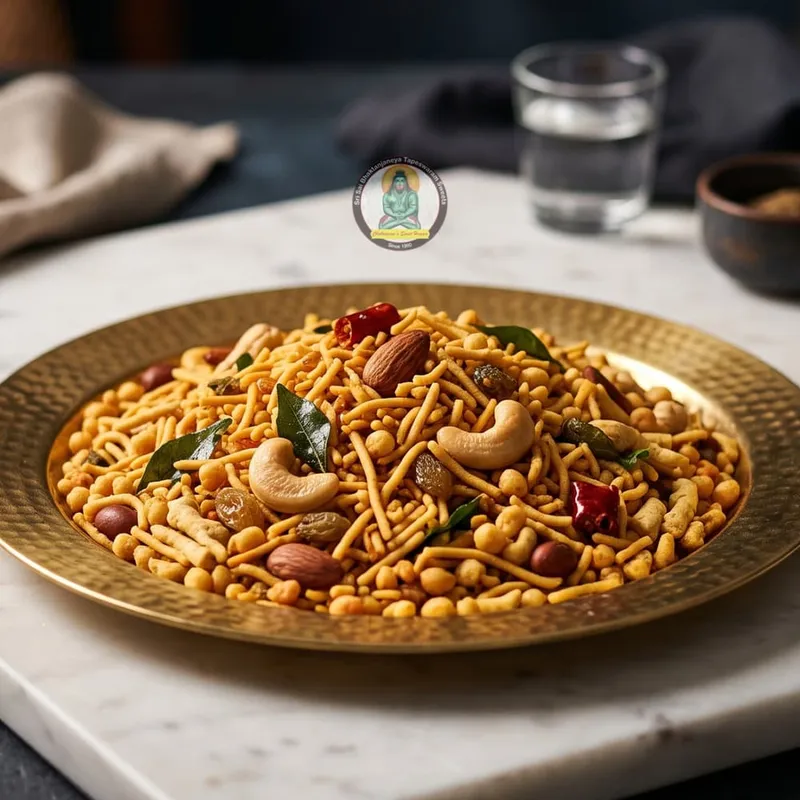
Tea-Time Namkeen Combos: What to Pair With Your Evening Chai
Three simple namkeen combinations for the 5 pm cup of tea, from mild and crunchy to properly spicy.

Madugula Halwa and Konaseema Kova: Two Town Sweets Worth Knowing
Two lesser-known Andhra sweets, one dark and glossy, one milky and soft, and why they deserve a place on your plate.