Dasara at Indrakeeladri: Kanaka Durga and the Food of the Festival
For many Andhra families, Dasara means a trip to Indrakeeladri, the hill above the Krishna river in Vijayawada where the Kanaka Durga temple stands. It is one of the largest Dasara celebrations in the Telugu states, and the town fills with pilgrims for the full ten days.
Each day of Navaratri the goddess is decorated in a different alankaram, a different form of the Devi with its own sari, ornaments and significance. Devotees often plan their visit around a particular form, and the day of the Saraswati alankaram, which falls on Moola Nakshatra, draws some of the biggest crowds of the festival, especially from families with students.
The festival closes on Vijayadashami, and the decorated float procession on the Krishna, the Theppotsavam, is one of the most photographed sights of the season.
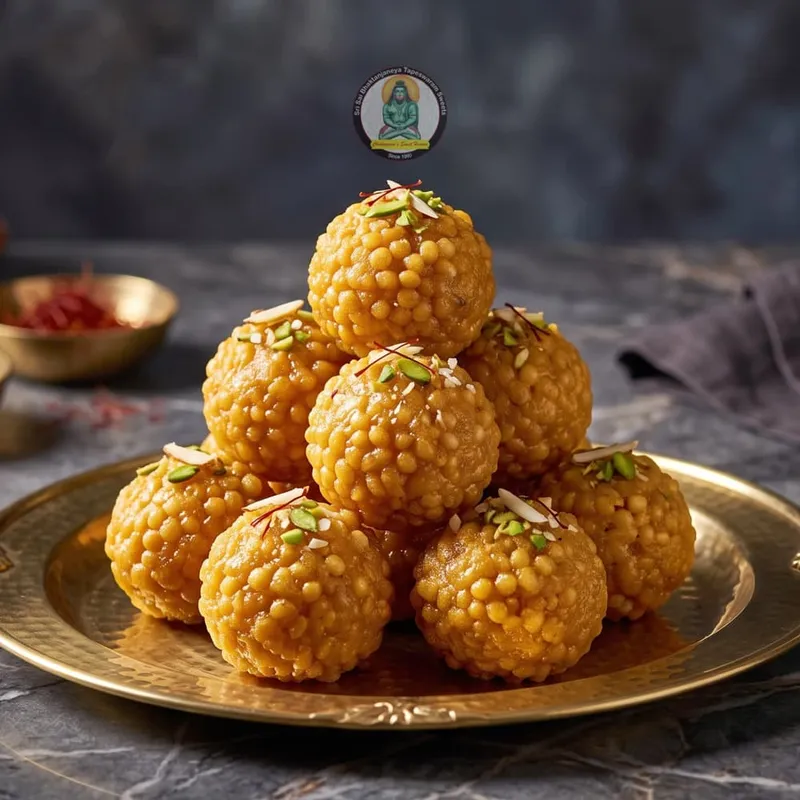
Prasadam is a large part of the visit. Laddu and Pulihora are the offerings most devotees bring home, and they are shared with neighbours and relatives who could not make the journey. Taking prasadam home is a way of including the whole family in the darshan.
At home, the nine days follow their own rhythm: a lamp before the goddess, a simple naivedyam each evening, and a sweet that changes through the week. Payasam, Chakkera Pongali and Laddu are the most common, often alongside guggillu made from a different pulse each day.
Whether you make the trip or celebrate at home, the practical advice is the same: plan your sweets before the crowds begin. In the final three days of the festival, shops, roads and courier services are all at their busiest.
Keep reading
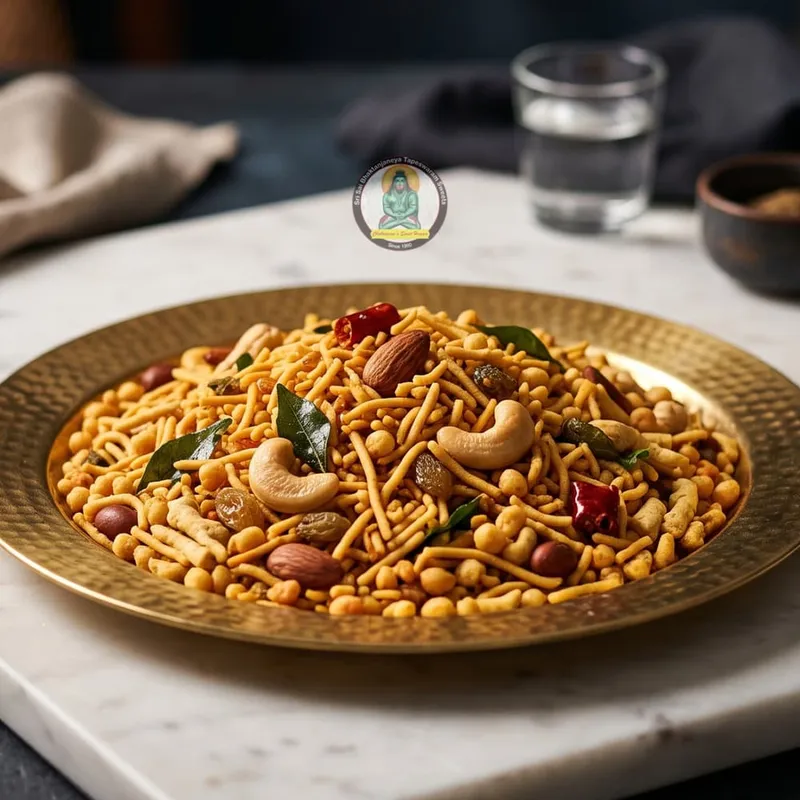
Tea-Time Namkeen Combos: What to Pair With Your Evening Chai
Three simple namkeen combinations for the 5 pm cup of tea, from mild and crunchy to properly spicy.

Madugula Halwa and Konaseema Kova: Two Town Sweets Worth Knowing
Two lesser-known Andhra sweets, one dark and glossy, one milky and soft, and why they deserve a place on your plate.