
Bhogi and Kanuma: The Other Two Days of Sankranti
In Andhra, Sankranti is not a single day. It runs over three: Bhogi, Makara Sankranti and Kanuma. Most guides talk only about the middle day, but the first and last days have customs and food of their own.
Bhogi: the bonfire
Bhogi is the day before Sankranti. Before dawn, families light a bonfire, the bhogi mantalu, and throw old things into it as a way of letting go of the past year. The street gathers around the fire in the cold January morning.
In the evening, many families do bhogi pallu for young children: a mix of regi pallu (jujube fruit), flower petals, coins and sugarcane pieces is poured over the child's head as a blessing. Relatives come over, and there are always sweets afterwards.
Sankranti: the main day
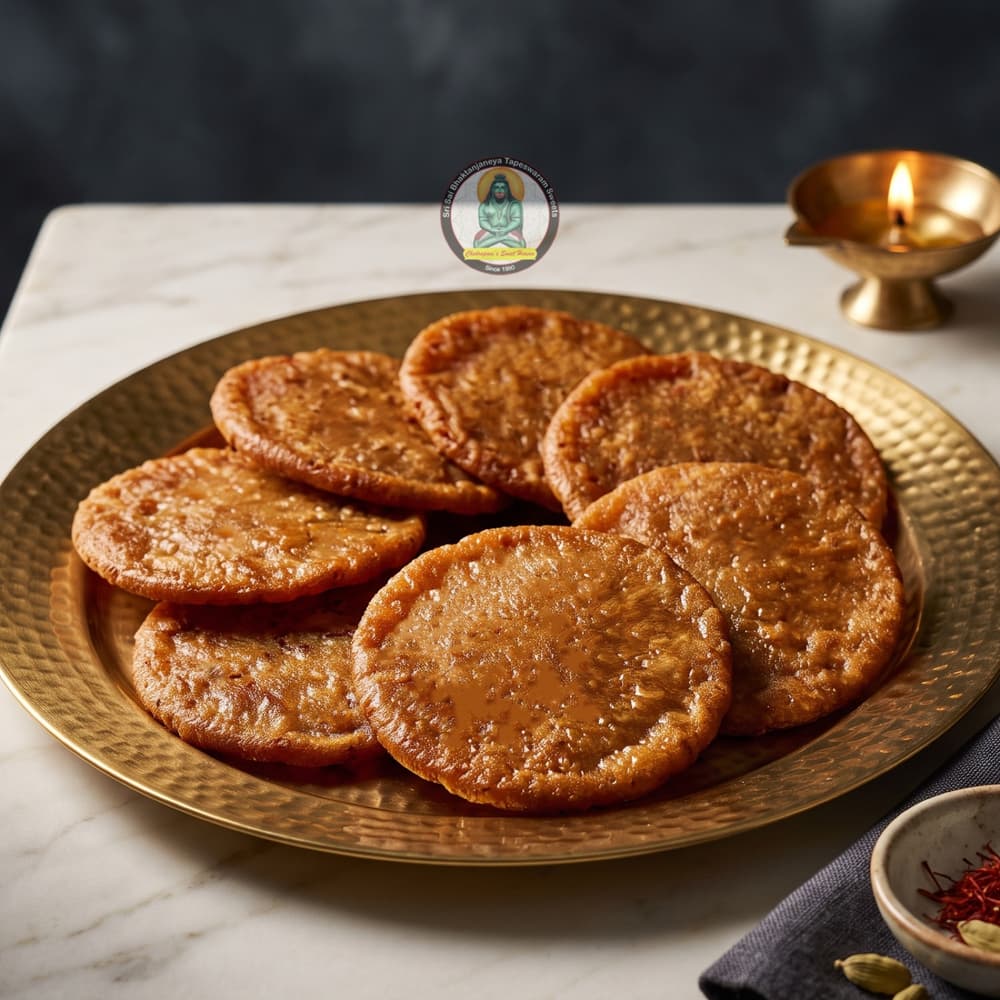
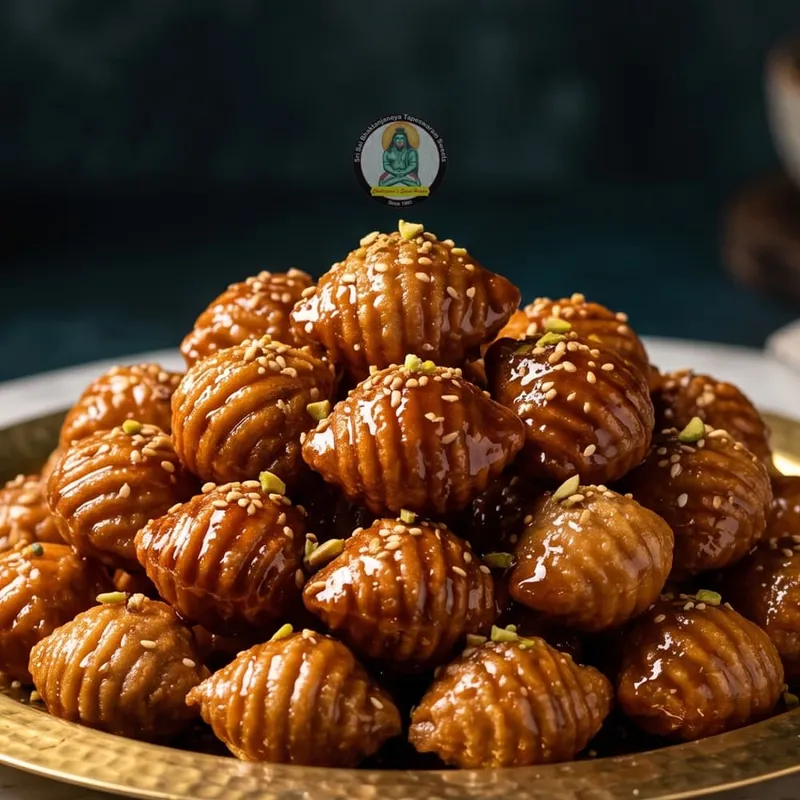
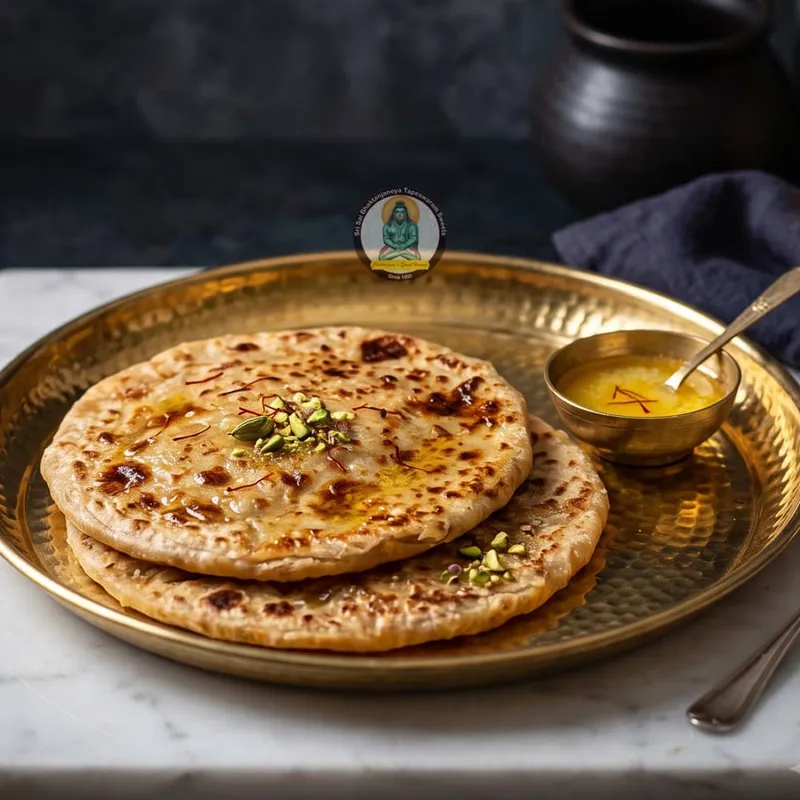
The middle day is the big festival: rangoli at the door, new clothes, offerings to the ancestors, and a full table of sweets. Ariselu, sunnundalu, gavvalu and bobbatlu are the classics.
Kanuma: thanking the cattle
Kanuma is the day after Sankranti, set aside to thank the cattle that work the fields. Cows and bullocks are bathed, their horns painted and decorated, and they are fed specially. In many Godavari households Kanuma is also the day for a big non-vegetarian feast, and families visit each other through the afternoon.
What to keep at home for all three days
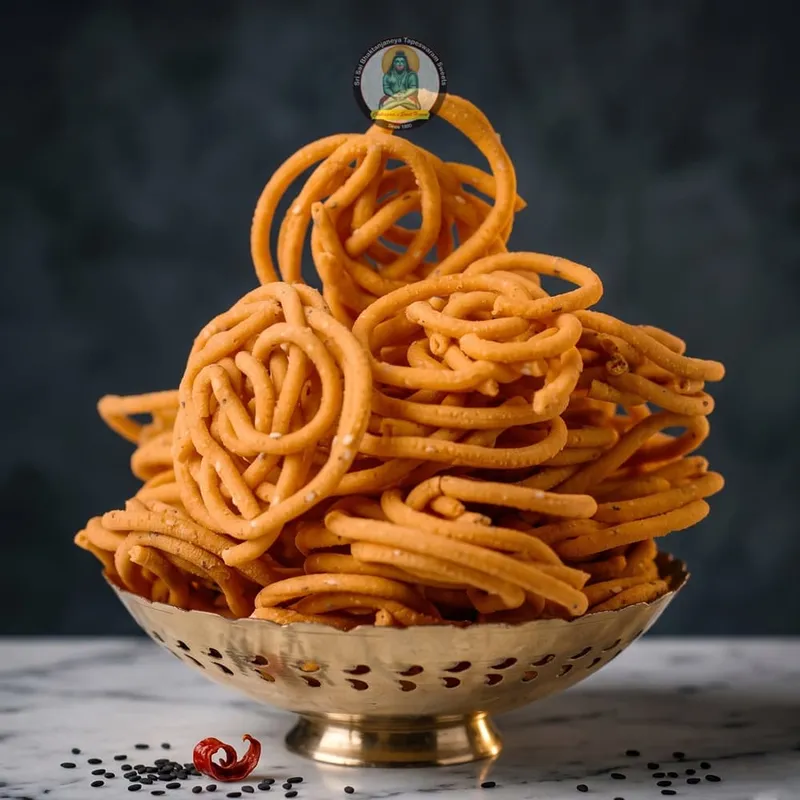
With three days of visitors, the trick is to have sweets that keep and snacks that stay crisp. Ariselu, sunnundalu and gavvalu all keep well, and a tin of janthikalu or chakodi covers the savoury side. Our complete Sankranti list goes through every sweet and when to order it.
Order early: the week before Sankranti is the busiest of the year in our kitchen.
Shop this article
Keep reading

Sankranti Sweets and Snacks: The Complete Andhra List
Ariselu, Sunnundalu, Bobbatlu and the rest. What each Sankranti sweet is, why it belongs to the harvest festival, and when to order so it arrives fresh.
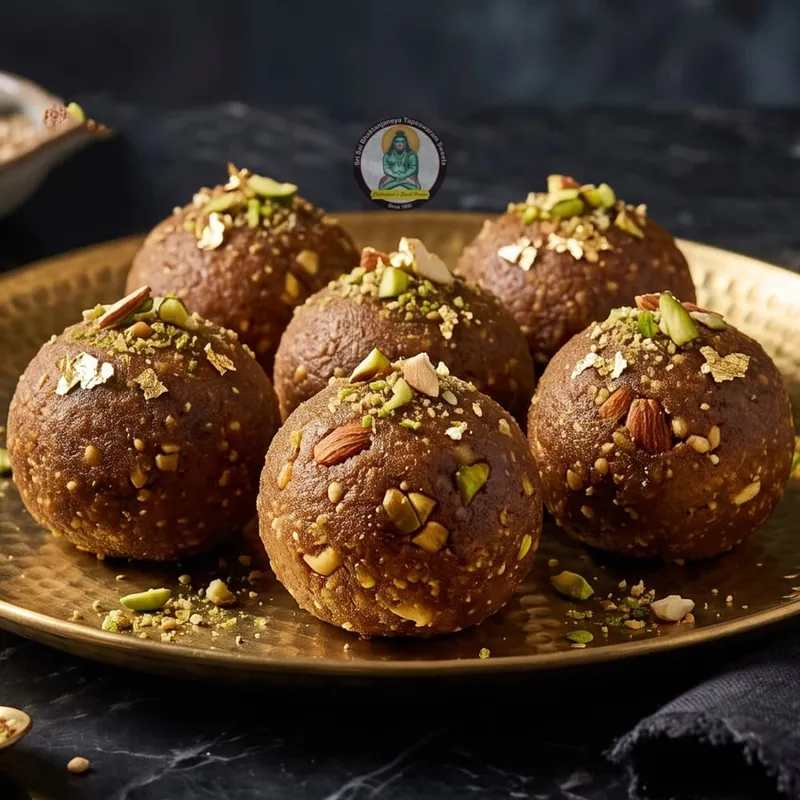
Winter Sweets: Jaggery, Sesame and Dry Fruits for the Cold Months
December and January are when Andhra kitchens turn to jaggery, sesame and dry fruits. The winter sweets worth keeping in the tin, and why they suit the season.